Eco-Fashion: The Future of Sustainable Style
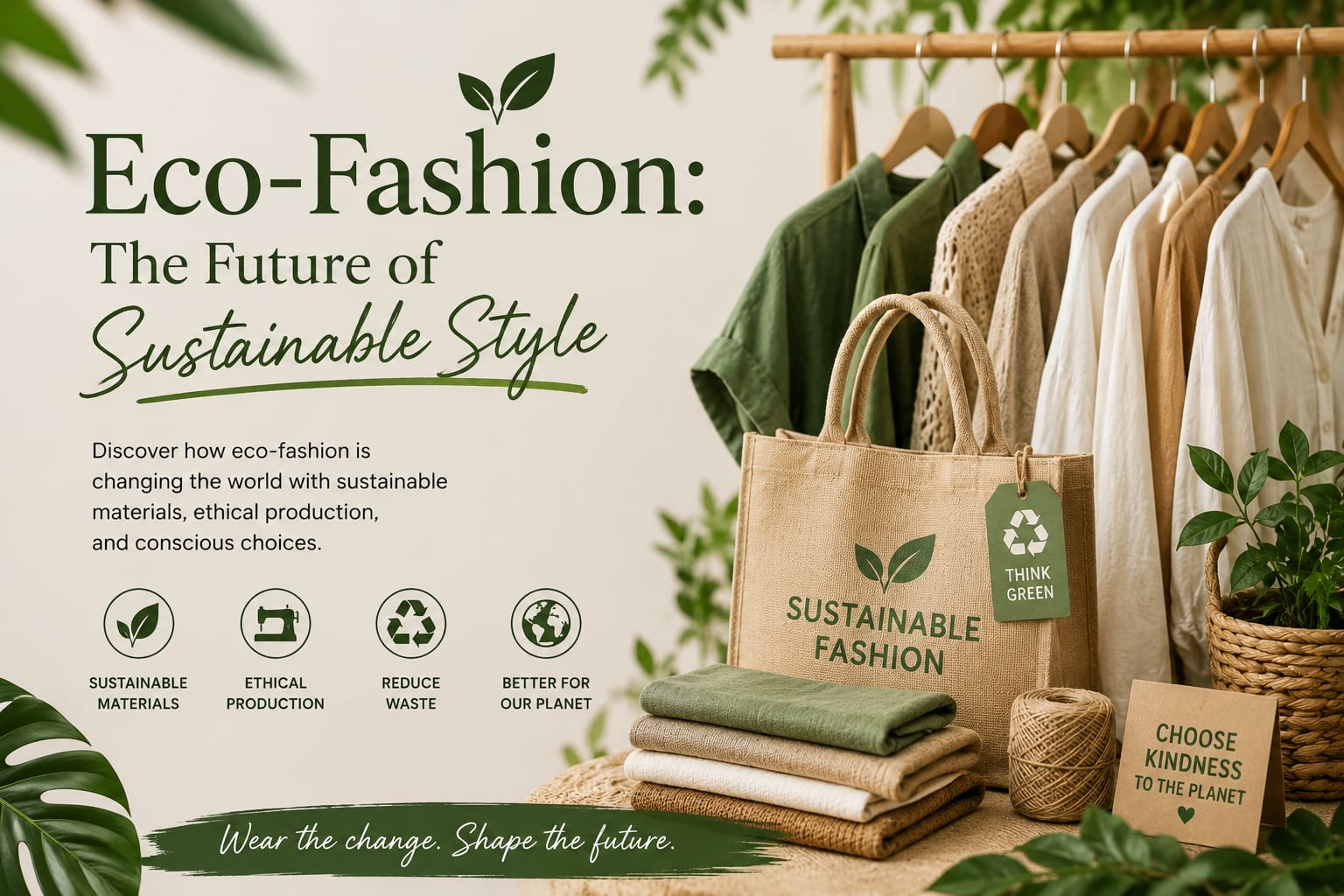
A New Chapter for Fashion
The fashion industry generates 92 million tonnes of textile waste every year. The cotton in a single T-shirt takes 2,700 litres of water to grow. A pair of jeans produces around 33 kg of CO₂ from farm to store shelf. These aren't abstract statistics — they're the cost of fast fashion, paid entirely by the planet.
That's the world eco-fashion is pushing back against. From sustainable fabrics to ethical production chains, a growing movement of designers, brands, and buyers is choosing to do things differently. Not as a sacrifice — but as a statement.
What exactly is eco-fashion, and why is it one of the most important shifts in modern retail?
What Is Eco-Fashion?
Eco-fashion is the practice of making and wearing clothing in ways that protect the environment and treat the people who make it fairly. It's the direct opposite of fast fashion — which relies on cheap, mass-produced garments designed to be worn a handful of times and then discarded.
"Instead of buying cheap, throwaway clothes that fall apart in a season, eco-fashion means buying better — quality pieces you can wear for years, made by people earning a fair wage."
Eco-fashion garments are made from natural fibres — organic cotton, hemp, bamboo, or linen — that don't depend on toxic pesticides or synthetic dyes. Others use recycled materials, diverting used textiles and ocean plastics from landfills and giving them a second life as wearable clothing.
The model is already being proved at scale. Patagonia repairs your old gear for free and publishes its entire supply chain. tentree plants 10 trees for every purchase. Eileen Fisher takes back used garments, resells them, or recycles them into new fabric. Eco-fashion isn't niche — it's a growing standard that more brands are being held to every year.
Why Is Eco-Fashion Gaining Ground?
Three forces are pushing eco-fashion into the mainstream simultaneously: climate awareness, Gen Z's buying power, and a demand for supply chain transparency.
Climate awareness has moved from activist circles into everyday conversation. Documentaries like The True Cost and RiverBlue exposed the fashion industry's damage — rivers running blue from synthetic dyes, mountains of discarded clothing filling deserts, factory workers earning poverty wages. People saw it, shared it, and started shopping differently.
Gen Z is the critical driver. According to Nielsen, 73% of Gen Z consumers are willing to pay more for sustainable products. They use social media not just to discover trends, but to fact-check brand claims. Greenwashing — claiming sustainability without proof — gets called out publicly and fast.
Transparency has become a competitive advantage. Brands that publish supply chain data, fair-wage certifications, and material sourcing details are rewarded with loyalty. Those that don't are increasingly left behind — especially as younger consumers inherit more of the market.
Popular Eco-Fashion Products
Building a sustainable wardrobe doesn't mean sacrificing style or comfort. These are the eco-fashion products leading the movement right now — each a better alternative to its conventional equivalent.
Organic Cotton T-Shirts
Grown without synthetic pesticides, organic cotton is softer on your skin and up to 91% less water-intensive than conventional cotton. The everyday basic, done right.
Recycled Denim Jeans
Made from reclaimed denim or responsible production methods that dramatically cut water use and chemical runoff. Denim you can wear without the water debt.
Linen Shirts & Dresses
Naturally biodegradable, linen requires minimal water and no irrigation to produce. Breathable in heat, durable over years, and with a texture that only gets better with age.
Hemp Clothing
Hemp grows fast, uses very little water, and naturally enriches the soil it grows in. One of the most sustainable fibres available — and the fashion is catching up to the material.
Bamboo Activewear
Lightweight, moisture-wicking, naturally antibacterial, and temperature-regulating. Bamboo activewear performs as well as synthetic sportswear — without the microplastic shedding.
Vegan Leather Bags
Crafted from apple skin, cactus leather, or recycled PU — cruelty-free materials that are closing the gap on durability and giving animal leather a genuine run for its money.
Recycled Sneakers
Adidas x Parley turns ocean plastic into performance shoes. Allbirds uses eucalyptus fibre and merino wool. Recycled sneakers are now a serious category, not a compromise.
Ready to Wear the Change?
Looking for fashionable, comfortable, and eco-friendly products? Visit Edgvance — a zero-commission e-commerce platform with genuine fashion collections for men and women. Sustainable style, zero platform fees, trusted sellers.
Explore Edgvance →Zero commission. Genuine platform. Eco-friendly collections.
Related products
Subscribe to the Vanguard
Get deep dives into archive fashion and upcoming drops delivered to your radar.