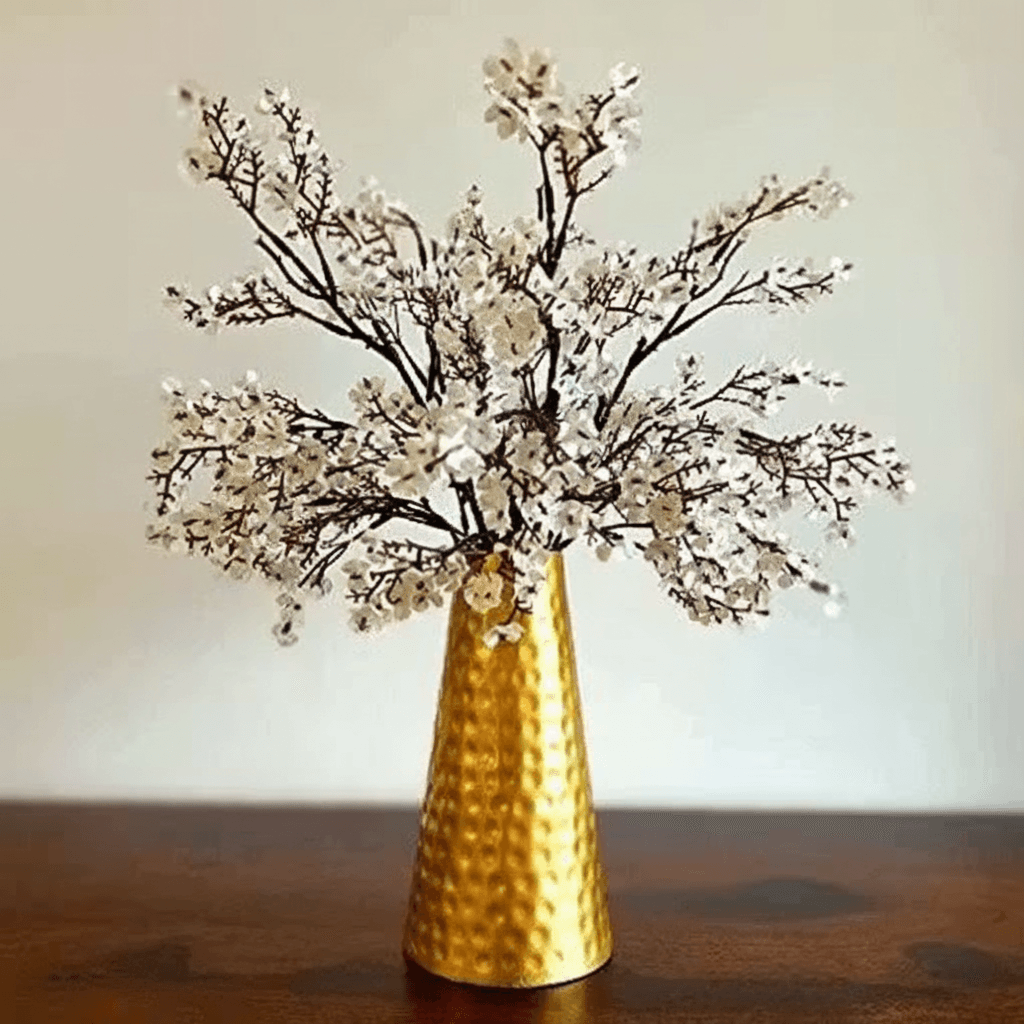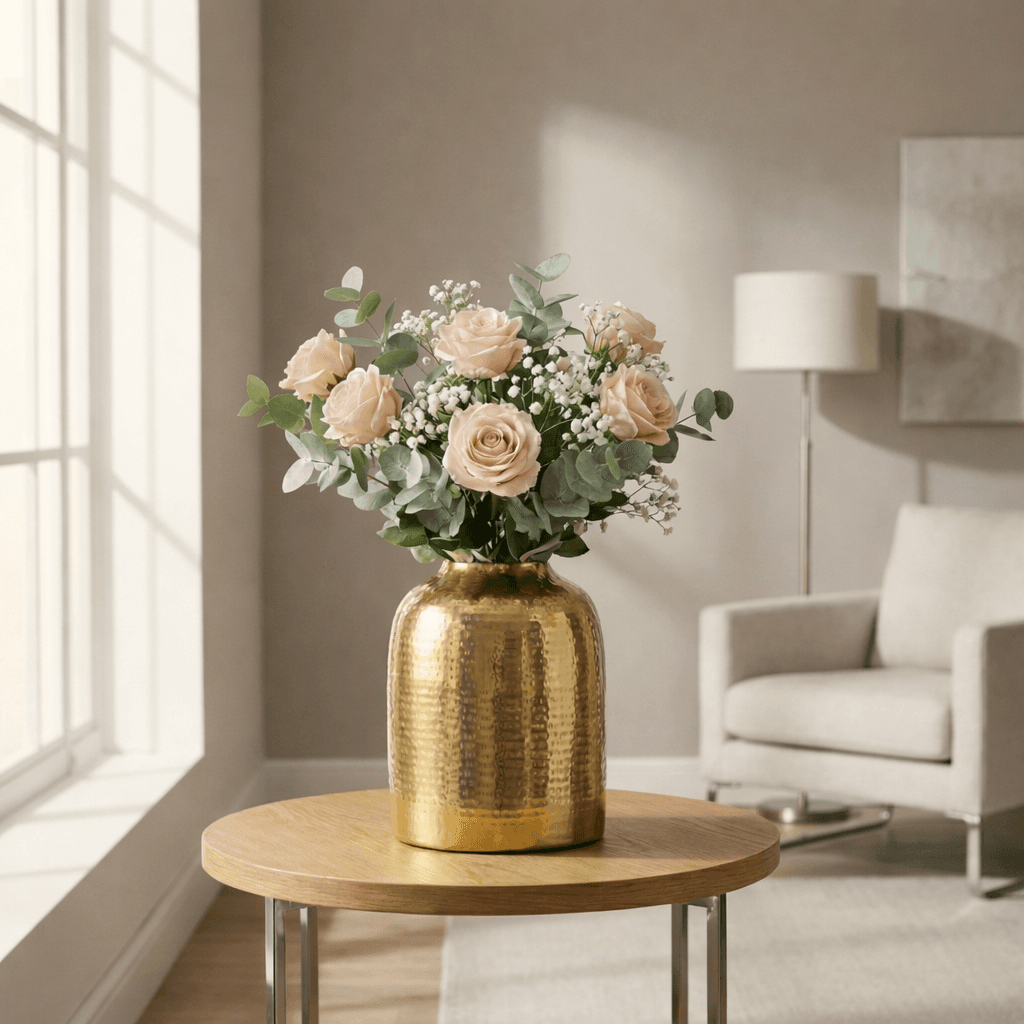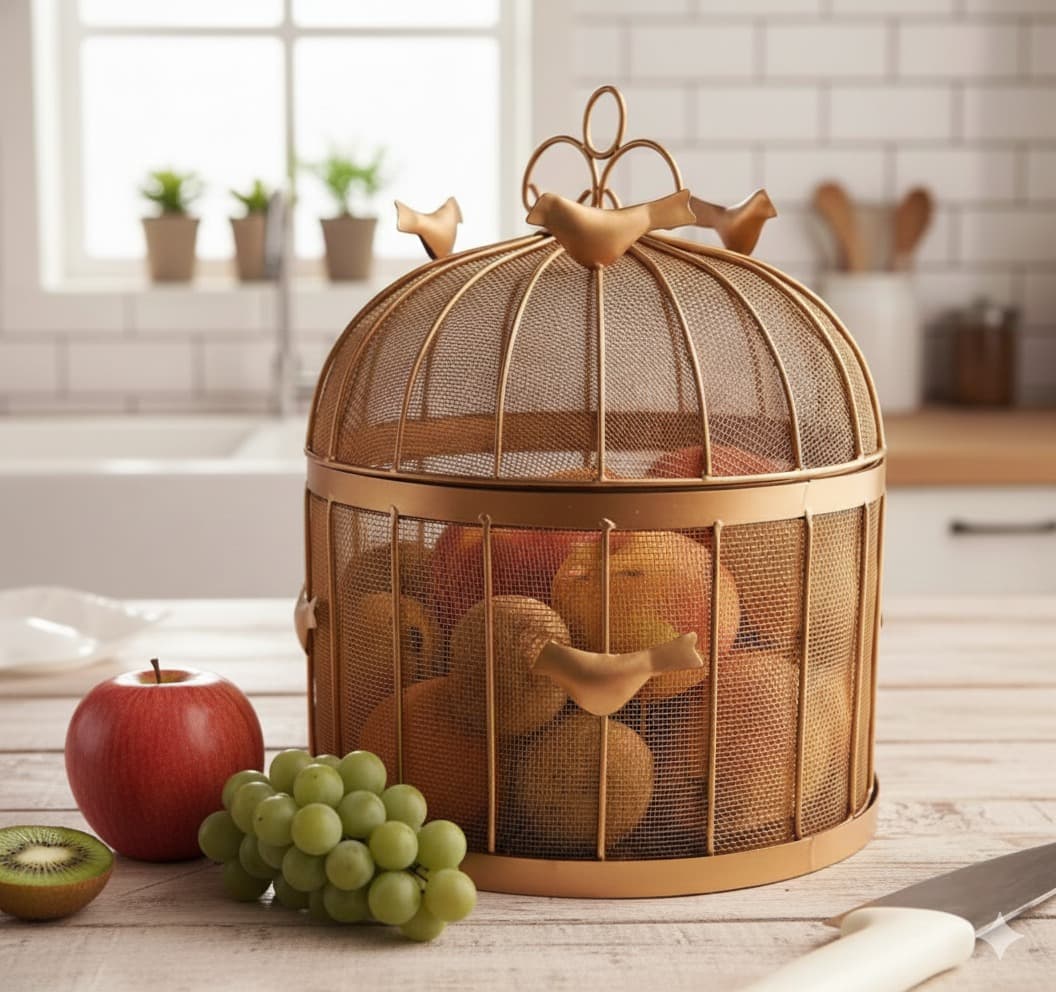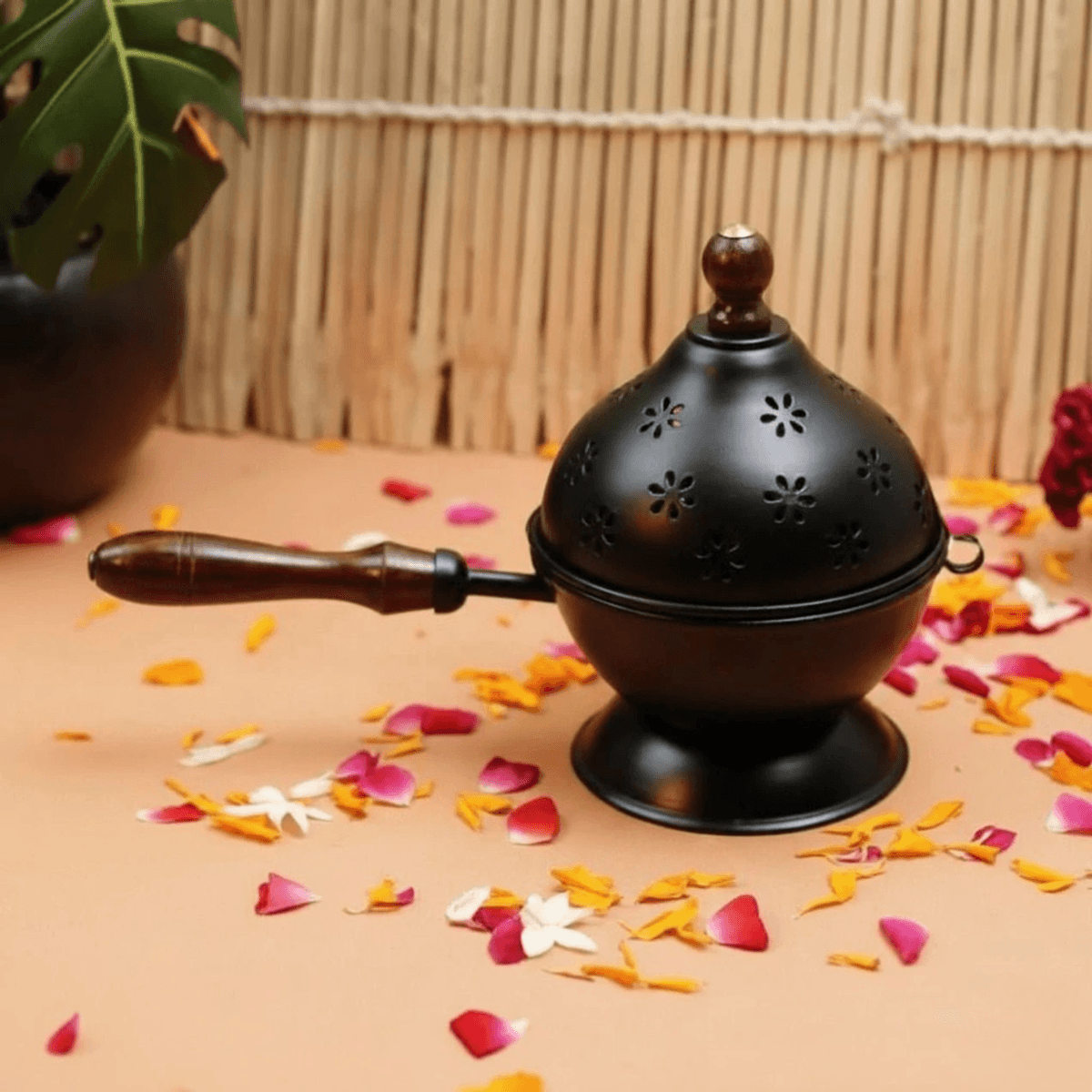
Black Metal Incense Burner For Pooja
₹799
In stock
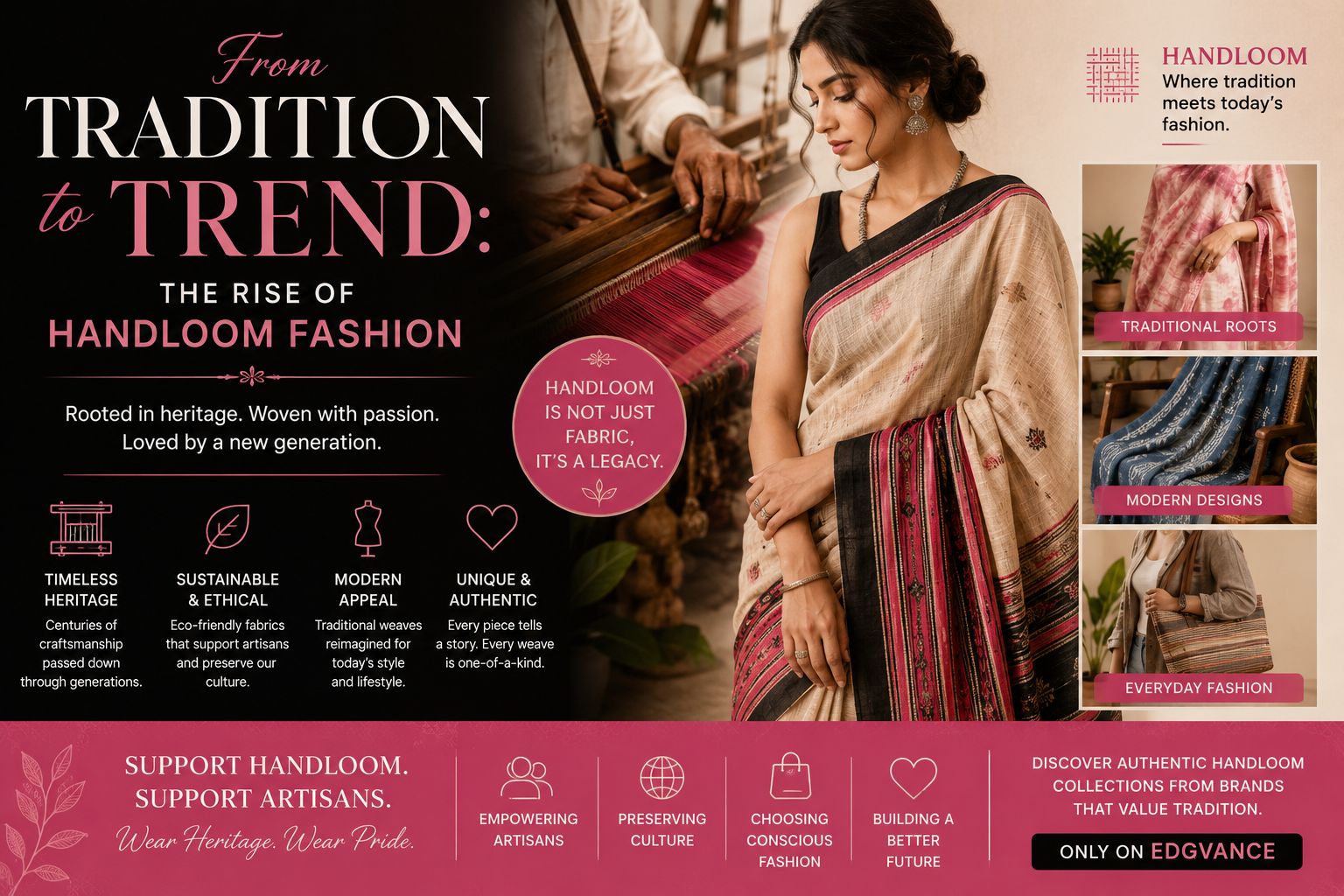
Five thousand years of wood, thread, and hands — tracing how a daily necessity was woven into an identity.
The history of handloom weaving dates back over 5,000 years, beginning with ancient civilizations that used simple wooden frames to turn plant fibres into beautiful textiles. A handloom is a manually operated wooden machine that allows artisans to weave fabric by interlocking threads without using electricity. While handloom weaving has roots across the world — including early Central Asian nomads from 5000 BC — its deepest and most influential history unfolded in the Indian subcontinent.
Handloom turned into a tradition because it served as a practical daily need that communities transformed into an identity-defining art form over thousands of years. What began as a basic way to make clothing evolved into a rich cultural legacy through deep roots in history, regional storytelling, and powerful political movements. The transition from a simple necessity to a celebrated tradition happened through several key stages.
Long before factories existed, people had to make their own clothes using simple tools.
Kings, queens, and emperors elevated handloom into a luxury symbol.
Handloom came into fashion trends through a powerful mix of global eco-awareness, designer innovations, celebrity endorsements, and digital platforms that directly connect rural weavers to the world. Once seen as traditional or formal wear, handwoven fabrics have transitioned into high-fashion luxury items and daily essentials.
Handloom is more than just fabric — it is a beautiful combination of tradition, craftsmanship, culture, and creativity. As modern fashion continues to evolve, handloom proves that traditional art can still have a strong place in today's fashion world. By choosing and promoting handloom, we can support skilled artisans while bringing timeless craftsmanship into modern wardrobes.
For handloom and fashion brands looking to reach more customers, Edgvance provides a platform to showcase your products and grow your business. List your collection on Edgvance and let your traditional craftsmanship reach a wider audience.
List Your Collection on EdgvanceGet deep dives into archive fashion and upcoming drops delivered to your radar.